
137 resources match your search criteria

What Is a Work Breakdown Structure (WBS) and Why Is It Important?
A well-defined Work Breakdown Structure (WBS) forms the cornerstone of every high-performing cost control department. It gives a clear structure that links project scope, cost, and time. This ensures that every deliverable is well-defined and easy to track during the project. In this article, we’ll explore what a WBS is,…
Read blog article
CapEx vs OpEx: Key Differences and Why They Matter in Projects
Every project begins with a decision: how will we spend our money to get the best possible return? In project management, that question often comes down to balancing Capital Expenditures (CapEx) and Operational Expenditures (OpEx). It might sound like simple accounting terminology, but in reality, understanding the difference between these…
Read blog article
Lessons from Failed Projects: Controlling Hidden Costs
Hidden costs can derail even the best-planned projects. Discover how to spot, manage, and prevent these unplanned budget threats before they escalate.
Read blog article
How Predictive Analytics Improves Project Cost Accuracy
Instead of relying on intuition or outdated estimates, predictive analytics uses historical data, statistical models, and machine learning to anticipate future outcomes. Discover how this data-driven approach empowers teams to predict risks, prevent cost overruns, and achieve greater project success.
Read blog article
The Impact of Inflation on Construction Project Budgets
Inflation is a factor that can quietly erode project budgets long before anyone realizes it. In construction and other capital-intensive industries, where timelines often stretch into years, even a small annual price increase can compound into major cost overruns over time. As project managers, cost estimators, and controls professionals, understanding…
Read blog article
The Future of Cost Engineering
Cost engineering has always been about balancing precision with practicality. Traditionally, it meant managing budgets, monitoring costs, and ensuring that projects delivered value within financial constraints. But today, cost engineering is evolving faster than ever before. The rise of automation, data-driven practices, and artificial intelligence (AI) is transforming how cost…
Read blog article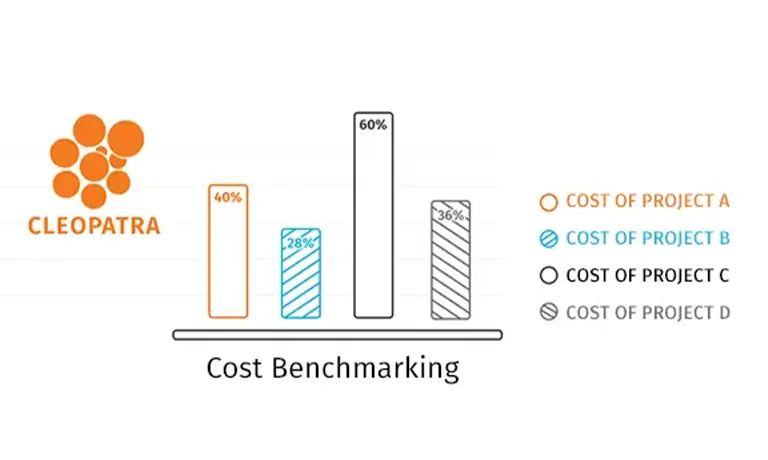
Cost Benchmarking in Capital Projects: Definition, Benefits, and Examples
In today’s ever-changing markets, large capital projects face increasing pressure to deliver on time and within budget. Project teams need tools and strategies that enable them to compare their performance against proven standards and identify opportunities for improvement. Cost benchmarking is key to achieving this. By systematically comparing project data…
Read blog article
Introduction to Risk Management in Project Management
Large capital projects face major uncertainties in cost and schedule. This article explores how effective risk management helps organizations identify, assess, and control risks to improve predictability and project success.
Read blog article
Why Clear Roles Matter in Turnaround Planning
In STO and turnaround (TA) environments, tasks like QA/QC, scheduling, work planning, coordination, and supervision are critical. But in many organizations, these roles blur, overlap, or go unassigned, leading to friction during execution.
Read blog article
The Rise and Implications of Gas Capital Expenditures
The U.S. gas market is experiencing a surge in capital expenditures, creating a wave of megaprojects that will dominate the energy landscape through 2030. Key reasons for this growth include demand from AI and data centers, industrial electrification, and concerns about grid reliability. For project managers, these market conditions mean…
Read blog article